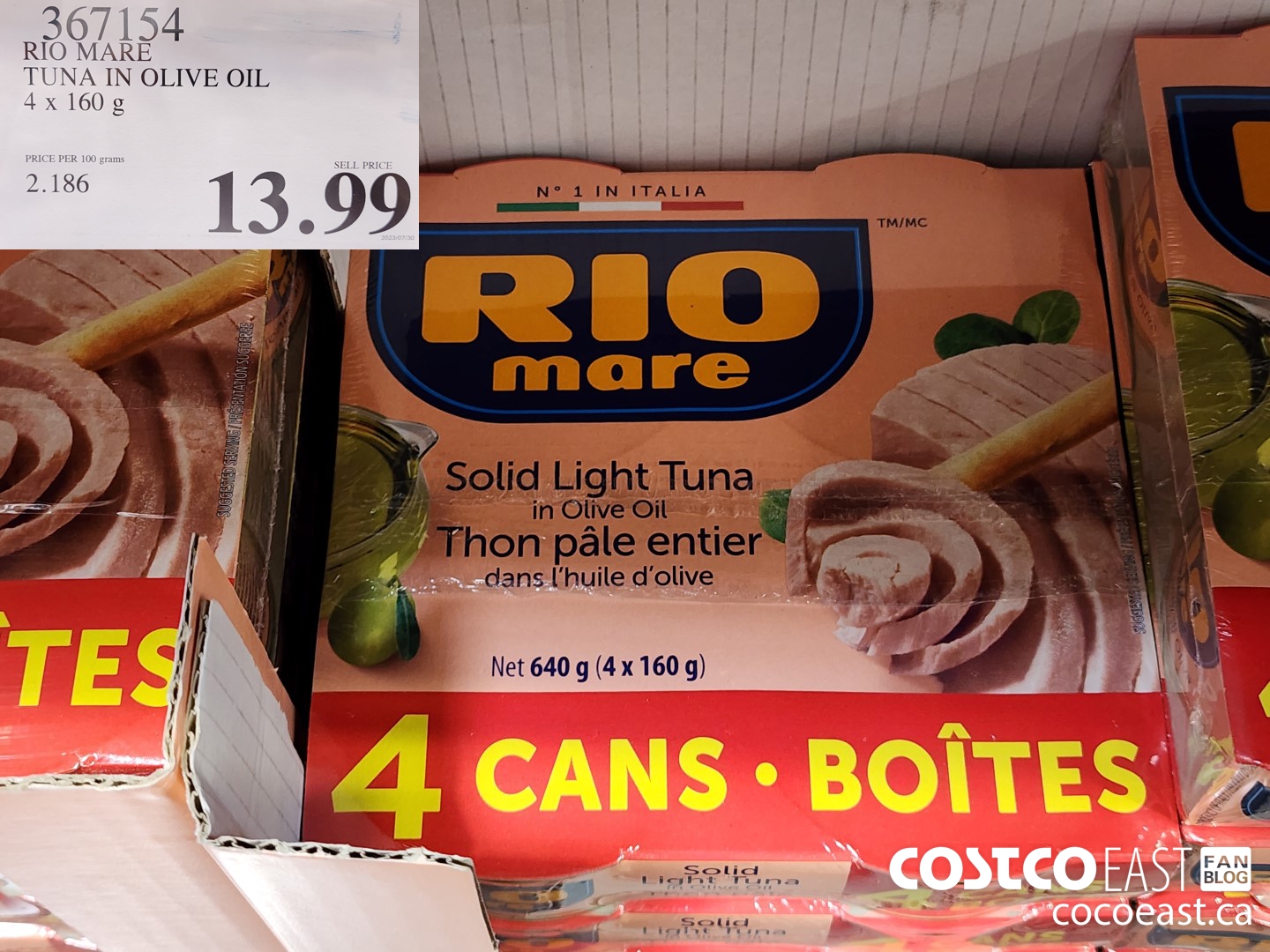
Tuna Recall At Costco: A Comprehensive Guide To Understanding The Situation - The tuna recall at Costco had a significant impact on consumers, both in terms of health concerns and trust in the brand. Many customers were left questioning the safety of other products sold by Costco. While no confirmed cases of illness were reported, the potential risks associated with the contaminated tuna products were enough to cause alarm. Regulatory agencies such as the FDA and USDA play a vital role in ensuring food safety. These organizations set guidelines and conduct inspections to minimize the risk of contamination. Retailers like Costco must adhere to these regulations while also maintaining their own internal quality control processes.
The tuna recall at Costco had a significant impact on consumers, both in terms of health concerns and trust in the brand. Many customers were left questioning the safety of other products sold by Costco. While no confirmed cases of illness were reported, the potential risks associated with the contaminated tuna products were enough to cause alarm.
Here are some best practices for ensuring food safety:
Food safety is a critical aspect of modern retail operations. The tuna recall at Costco highlights the importance of implementing robust safety measures at every stage of the supply chain. From sourcing raw materials to delivering finished products, each step requires careful monitoring and adherence to industry standards.
Data from the Centers for Disease Control and Prevention (CDC) indicate that foodborne illnesses affect millions of Americans each year. These illnesses result in significant healthcare costs and lost productivity, underscoring the importance of preventing contamination in the food supply chain.
Technology plays a crucial role in preventing recalls. Innovations such as blockchain and IoT can provide greater transparency and traceability in the supply chain. These tools enable retailers to quickly identify and address potential issues before they escalate into full-blown recalls.
:max_bytes(150000):strip_icc()/AR-costco-recall-adobe-4x3-2-096a82eecb80443fb2c3e43547cd9a7f.jpg)
The timeline of the tuna recall at Costco unfolded as follows:
Consumers can take several steps to protect themselves from foodborne illnesses. Staying informed about recalls and following proper food handling practices are essential for maintaining health and safety. Here are some tips for consumers:
Retailers like Costco must comply with these regulations while also maintaining their own quality standards. Regular inspections and audits are conducted to ensure adherence to the rules. Non-compliance can result in fines, legal action, or even business closures.
Regulatory frameworks play a crucial role in ensuring food safety. Agencies such as the FDA and USDA enforce strict guidelines for food production and distribution. These regulations cover everything from raw material sourcing to final product packaging.
Further investigations revealed that the contamination may have occurred during the processing stage. Suppliers involved in the production of these tuna products were also scrutinized to identify the source of the issue.
Costco's reputation as a reliable retailer was put to the test, but the company's swift response helped mitigate some of the negative effects. Customers appreciated the transparency and accountability demonstrated during the recall process.
This tuna recall at Costco serves as a reminder of how even trusted brands can face challenges related to product safety. Understanding the root causes and the company's response is essential for consumers who rely on Costco for high-quality products. By examining this incident closely, we can better appreciate the complexities of food supply chains and the measures required to maintain consumer trust.